How to Convert Returns into Exchanges
Learn the strategies and best practices e-commerce businesses can use to convert customer returns into exchanges, boosting loyalty, revenue, and customer satisfaction.
Introduction
Mastering the art of converting returns to exchanges in the world of e-commerce is paramount. Customer satisfaction should be a priority, and a good exchange policy can aid this. As online retailers strive to provide excellent service and build lasting relationships, efficient sales process management becomes critical. Tactically converting returned items not only enhances the experience but boosts customer loyalty and trust.
This article explores the strategies and best practices that e-commerce businesses can adopt to transition into increased successful exchanges. Whilst optimizing your returns process is essential, the more you can convert customers' products, the better. In doing so, you can create a win-win situation for both customers and your profits.
Understanding the importance of converting to exchanges
Refunds, returns, and product swaps are an inherent part of e-commerce. Customers opting to send back products is a widespread trend — in Europe, for example, more than half of respondents returned at least one item purchased online in a given year. This reflects the need for customers to be confident in their purchases.
Embracing this trend and understanding it as an opportunity to strengthen customer relationships is the first step toward effective conversion. So how can you mobilize this in the most efficient way possible?
Streamlining the process
An effective conversion can't happen with a messy returns and exchanges process behind it. A well-structured system simplifies the experience for customers and retailers alike. Implementing clear and easily accessible policies makes for better customer relations and better profits.
One step you can take is writing a clear exchange policy. Make sure this is comprehensive and covers all possible return and exchange scenarios.
Offer flexible exchange options
Within your policy, you need to be flexible to convert customers as much as possible. Providing multiple options is a powerful strategy.
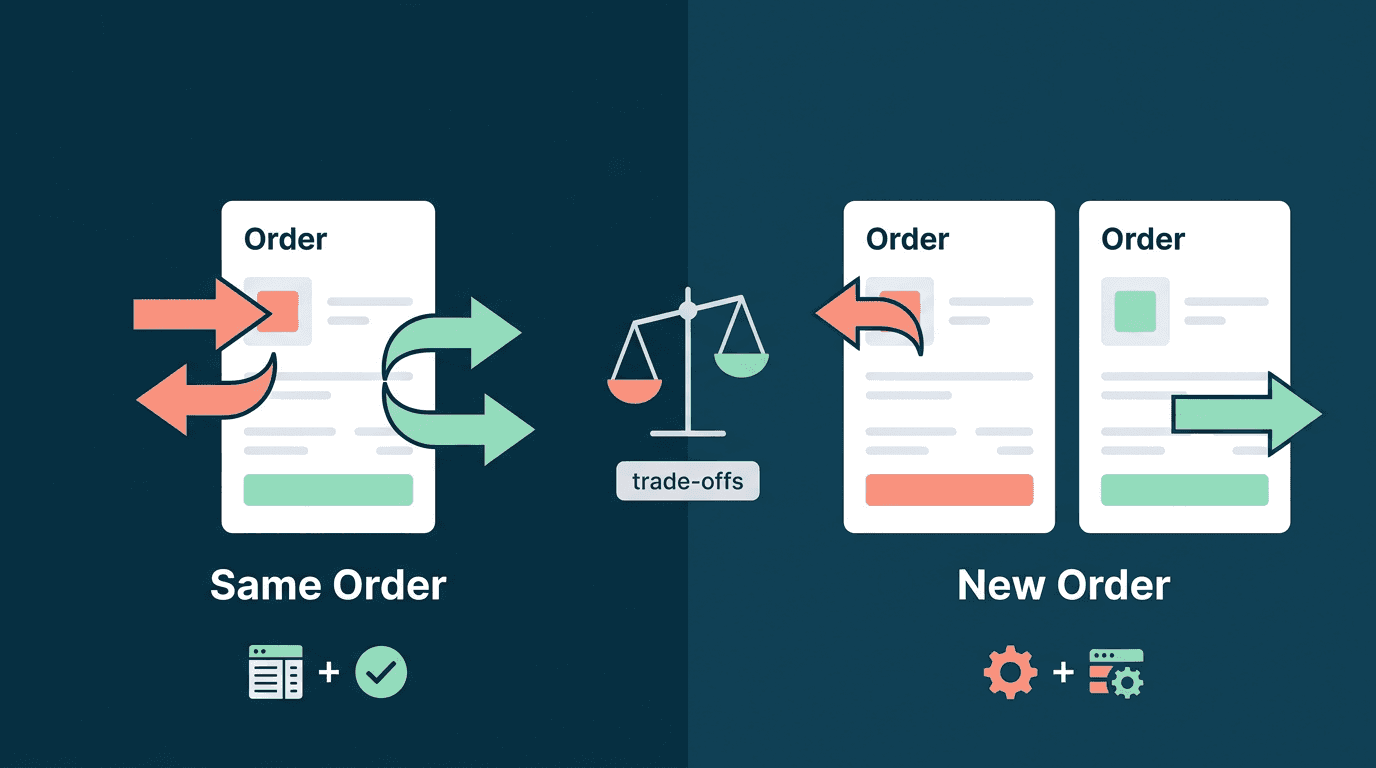
This could mean providing customers with choices such as various sizes, colors, or versions of a product. It could also involve allowing customers to exchange their purchase for a similar-priced item. Alternatively, offering store credit or gift cards within your flexible return policy is a great way to keep cash within your business. This is something you can do seamlessly with Exchange It on Shopify.
E-commerce businesses can encourage customers away from refunds by meeting their different preferences and needs.
Personalizing the exchange experience
A touch of personalization goes a long way. Tailoring the exchange process to the individual customer's preferences can significantly enhance their experience. Implementing personalized suggestions based on their purchase history, browsing behavior, and wishlist can guide them toward suitable alternatives for exchange. These personal touches show the retailer's commitment to addressing the customer's specific needs.
Seamless communication channels
Open and prompt communication is pivotal during the returns-to-exchanges process. Offering multiple communication channels can aid with this. Live chat, emails, and phone support offer customers easy options for reaching out about their purchases.
Swift responses help take pressure off and remove frustration. If the process is seamless, customers are more likely to swap their purchases for different items instead of refunding or returning them.
Using Exchange It makes the process streamlined and can help with this. Exchange It has an easy-to-use interface that works well for merchants, staff, and customers on your website.
Learn from data analytics about returns and exchanges
Leveraging data analytics can provide valuable insights into customer behavior trends. By analyzing patterns, e-commerce merchants can identify common reasons for purchases being sent back and strategize to address those issues proactively.
Exchange It provides real-time tracking information that helps you gain a better understanding of your customers and know what matters to them — specifically when they return items.
Conclusion: turning challenges into opportunities
Converting returns into exchanges is not simply a transactional process. It's an opportunity for e-commerce businesses to demonstrate commitment to customer satisfaction and loyalty.
By understanding the significance of these processes, streamlining workflows, offering flexibility and personalization, and maintaining clear communication, you're on track for better profits and stronger customer relationships. These strategies simplify the process of encouraging loyalty, fostering stronger connections between customers and your brand.