Optimize Your Returns Process To Save Time And Money
Three actionable tips to streamline your Shopify returns process, reduce costs, and turn returns into repeat customer opportunities.
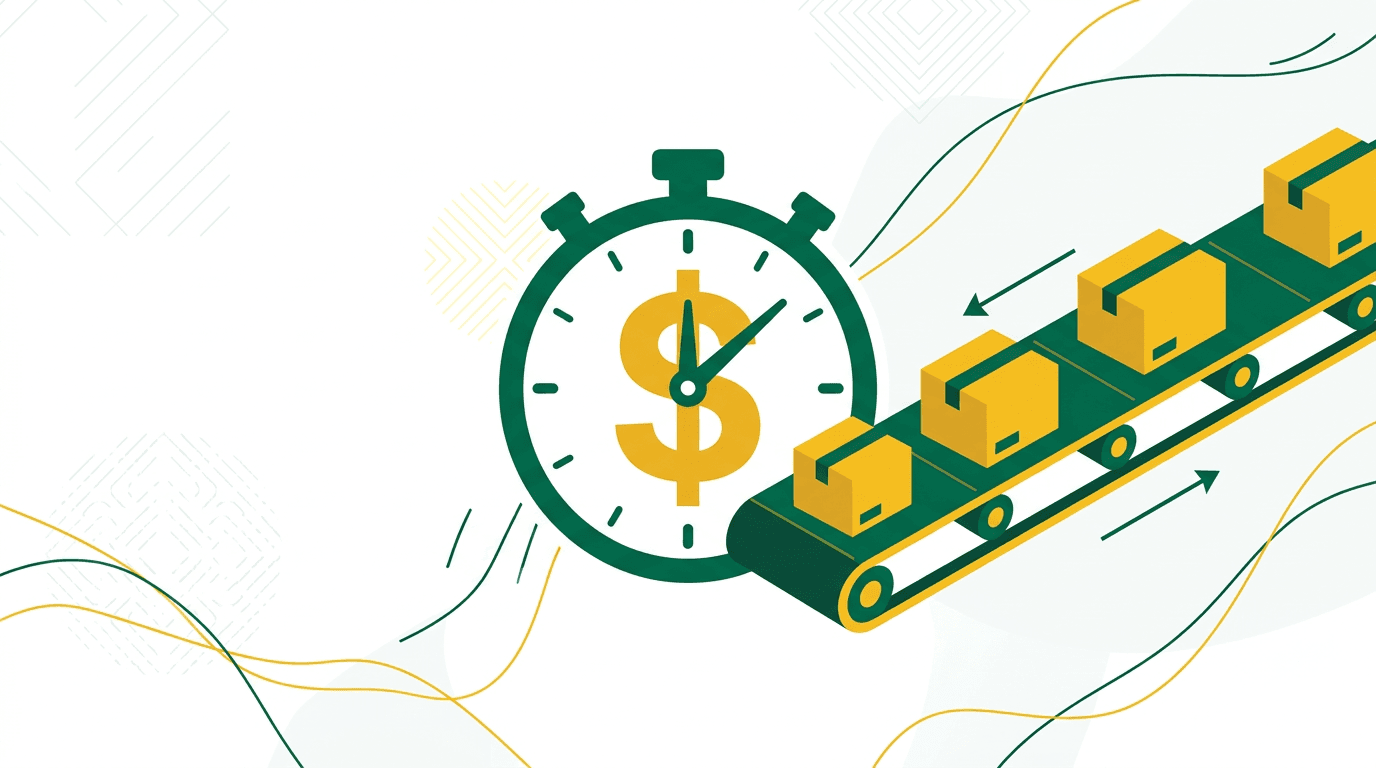
Optimizing your returns process is a great way to save time and money with your Shopify business. Returns cost US businesses an estimated $350 billion annually — a number that increases every year alongside the growth of online shopping.
When a customer is shopping with your store, they expect a robust and efficient returns process. This can elevate the shopping experience considerably and ensures repeat customers even when products are sent back.
Even though most eCommerce businesses that sell physical products handle returns, the requirements and processes are very individual to each business. Here are some practical tips for optimizing your returns process and integrating Exchange It into your workflow.
Reducing Returns vs. Optimizing Returns
Before diving into tips, it's important to clarify the difference between reducing and optimizing returns. Under the best circumstances, you'd have as few returns as possible. In reality, customer satisfaction issues with a product are unpredictable. Returns are a natural part of the sales process — but you want to have the lowest return rate possible.
Reducing returns is important. Having high-quality products, accurate descriptions, and efficient service will reduce the likelihood of items being sent back. However, some returns are unavoidable. That is why you should focus on optimizing the returns process rather than trying to eliminate it entirely.
Optimization means creating the most time and money-efficient returns process possible. With a quick, streamlined way to deal with returns, it doesn't impact the effectiveness of the rest of your inventory and fulfillment processes.
3 Tips For Optimizing Shopify Returns
1. Create A Simple Returns Centre
An organized returns center is key to running an efficient eCommerce operation — both physically and online.
Have a dedicated space for processing returns. Label your products effectively with barcodes, and set up a clear online process for customer feedback. That way, you know where the item is coming from, why it's being returned, and where to store it once the return is processed.
A simple and efficient returns management process will save you time and money. Every minute a return sits unprocessed is costing your business.
2. Automate The Returns Process
Once you know where returns will go and how a customer can start the process, automation is the next critical step. This is better built in from the start, ensuring efficiency and good time management.
Part of this includes barcode systems and automated inventory management to keep track of your stock. Offering exchanges allows you to cut down on the potential financial losses of returned products.
Exchange It is a seamless app that automates the returns process in a simple way. Download the app, link it to your warehouse systems, and integrate your returns into the regular workflow. You can exchange items for others of equal value, process uneven exchanges, or send replacement orders — giving customers a great returns experience that translates into more repeat shoppers.
3. Track Returns Data
During the returns or exchange process, you need to be collecting data. One way to optimize your returns process to save time and money is to understand why products are coming back. When you know what issues are arising with your orders, you can find ways to proactively reduce them.
Using an automated system like Exchange It is great. It gives you valuable insights as the app collects data and analytics from returns and exchanges. You can also include open-ended questions or short multiple-choice questionnaires in your online returns forms, giving customers the option to provide more extensive feedback.
Conclusion
There are plenty of other ways to optimize your returns process, but these 3 simple tips will get you started on the right path. Building an efficient, automated, and data-driven returns workflow is one of the best investments a Shopify merchant can make for long-term growth.
Related Articles

Your September Returns Audit: Get Shopify Ready for the BFCM Surge
Returns spike 25-45% in the weeks after BFCM. Here's the September checklist to get your Shopify returns and exchange flow ready before Black Friday.

Shopify's Return Reason API Finally Got Specific
Shopify's 2026-01 API swapped the generic ReturnReason enum for ReturnReasonDefinition. Here's what the new return reason API unlocks for merchants.